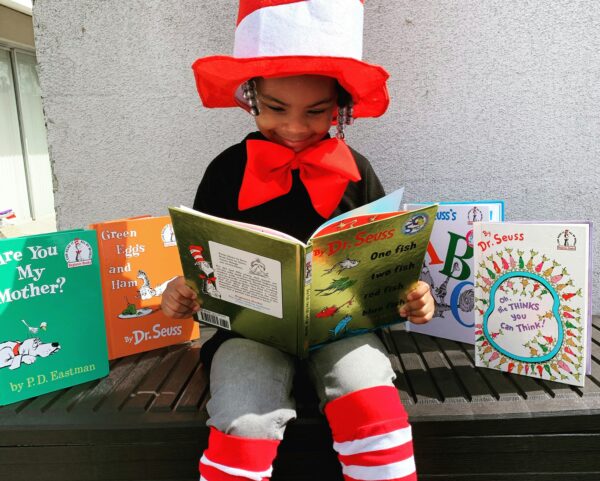
Many of us ended up in PR and communication roles because we always loved writing. We were the kids who made up stories on the spot and created our own newspapers. We often roped our playmates and siblings into taking part in our home-produced plays. And our English teachers made us read our ‘compositions’ out loud to the rest of the class.
So, what happened?
When did that joy of writing become the chore that it often feels like now? More importantly, what can we do to get the creative spark back again?
Rediscover a stream of unconsciousness
The problem with the majority of writing we do in business is the need for it to meet a brief, appeal to specific audiences, achieve results, carry key messages and evoke an action.
Nothing could be further from what we did as children.
The most guidance we might have been given back then was something as loose as ‘write about a favourite lost toy’ or ‘tell a story in which a boy meets a unicorn’.
Everything was left to our vivid and untethered imaginations.
Fast forward to exams, essays and dissertations, and those untethered imaginations were now tied down to convention, research and very long word counts.
No wonder our love of writing was slowly being suffocated.
The dreaded writer’s block
On leaving Uni and securing a place in comms, we were suddenly told to stop everything we’d understood good writing to be.
Clients and managers didn’t want cute little stories about lost toys and unicorns. And they certainly didn’t want academic waffle, justifying why something was right or wrong.
Now our copy had to be short, sharp and purposeful.
No wonder we often sit at our screens trying to make sense of a brief and getting depressed at the thought of having to come up with a compelling piece of copy.
Limitations are good
That’s why during my ‘Honing your copywriting skills’ workshop, I set my attendees several non-conventional writing exercises.
For example, I have them doing an instant writing exercise where they have to write a descriptive passage using verbs and nouns but no adjectives. For example, they can’t say “It was a windy day” but they can write “The wind howled around like wolves sizing me up for dinner”.
In another, they have to write a letter of complaint in which each sentence starts with the next letter of the alphabet.
The results of these exercises never cease to amaze them – or me. Not only does the writing flow like hot chocolate, the end result is brilliant, funny and/or poignant.
Making writing fun again
In all of my writing workshops, I aim to reignite the imagination and rediscover the love of writing. By going back to the days of carefree storytelling, attendees find that they’re no longer hampered by writers block or self-doubt.
They become confident in their abilities again and – this is the best bit – even the so-called dry subjects they struggle to write about for clients or managers now feel much less daunting.
Find out more about my writing workshops.
Photo by Catherine Hammond on Unsplash